Secondary Glazing Cost2026 UK Price Guide & Calculator
The UK's most accurate price estimator for 10.8mm acoustic laminate and listed building glazing.
Real prices, honest advice, and everything you need to know before upgrading your windows. We'll help you get warmer rooms, lower bills, and proper peace and quiet - without breaking the bank.
Over 7 million UK households suffer from noise pollution daily. Whether it's the constant rumble of traffic on the M25, aircraft roaring overhead from Heathrow, or late-night disturbances, unwanted noise affects your health, sleep quality, and overall wellbeing.
The World Health Organization classifies environmental noise as the second-largest environmental cause of health problems, just behind air pollution. In the UK, road traffic is the dominant source, affecting an estimated 11.1 million people exposed to noise levels above 55 dB during the day.
For those living near major roads like the A40, M1, or M25, noise levels regularly exceed 70-80 dB — equivalent to a vacuum cleaner running constantly outside your window. Near airports like Heathrow, Gatwick, or Manchester, aircraft noise can spike to 85 dB or more during peak hours.
The emotional toll is often underestimated. Families describe feeling trapped in their own homes, unable to enjoy their gardens, hold conversations without shouting, or get a peaceful night's sleep. Many consider moving, only to discover that selling a noise-affected property means accepting significantly reduced offers.
The Real Health Consequences of Chronic Noise Exposure
Sleep Deprivation
Chronic sleep disruption leading to fatigue, reduced concentration, and impaired immune function
Cardiovascular Stress
Increased blood pressure and heart rate from constant noise exposure above 55 dB
Mental Health Impact
Higher rates of anxiety, depression, and stress-related conditions in high-noise areas
Property Value Loss
Properties near busy roads can lose 10-20% of their value due to noise pollution
But There's a Solution That Doesn't Require Moving House
Secondary glazing offers a proven, cost-effective solution that can reduce noise by 40-80% — without the £20,000+ cost of full window replacement or the disruption of major building work. And for listed buildings where replacement windows aren't permitted, it's often the only viable option.
What is Secondary Glazing?
Think of secondary glazing as adding a second window inside your existing one. Rather than ripping out your current windows (messy, expensive, stressful), you're simply fitting an extra pane on the inside. Your original windows stay put, but you get all the benefits of double glazing without the hassle.
Why People Love It
Your heating bills drop by up to 30% (we're talking real money saved)
Perfect for old homes where you can't mess with original features — available in different styles to match any property
Usually no planning permission needed (one less headache)
The Money Bit
Half the price of new windows (sometimes even less!)
They fit it in a day - no week-long building site in your house
Start saving on energy bills immediately
Adds value to your property (especially period homes) — with UK-wide coverage
What's In It For You?
Here's what you actually get when you invest in secondary glazing (spoiler: it's quite a lot)
Thermal Insulation
Reduce heat loss by up to 60% and cut your energy bills significantly.
60% Less Heat Loss
Noise Reduction
Block up to 80% of external noise with acoustic glazing for a quieter, more peaceful home.
80% Quieter
Condensation Control
Eliminate condensation and prevent mould, damp, and window damage.
100% Dry Windows
Enhanced Security
Additional layer of protection making break-ins more difficult.
Double Protection
Cost Effective
Save up to 70% compared to full replacement double glazing.
70% Cheaper
Listed Buildings
Perfect for conservation areas where planning permission is difficult.
Heritage Approved
Secondary Glazing vs. New Double Glazing
Feature
Secondary Glazing
New Double Glazing
Cost
£600–£1,400
£1,500+
Noise Reduction
Up to 80%
Up to 40%
Thermal Insulation
60–70% reduction
70–80% reduction
Installation Time
1–2 hours per window
1–2 days per window
Planning Permission
No
Often Yes
Secondary glazing delivers superior noise reduction for half the cost of full window replacement.
The Science
How Soundproof Windows Actually Work
Understanding the physics behind noise reduction helps you make informed decisions about your glazing investment.
Understanding Sound Waves
Sound travels as waves of pressure through the air. When these waves hit your window, the glass vibrates and transmits the sound energy into your home. The frequency of sound waves varies — low-frequency sounds like traffic rumble (around 100-500 Hz) are harder to block than higher-frequency sounds like voices or birdsong. This is why you might notice that double glazing reduces general chatter but still lets through the deep bass of passing lorries.
Why Standard Double Glazing Fails for Noise
Here's a fact that surprises most homeowners: standard double glazing was designed for thermal insulation, not noise reduction. The typical 16-20mm air gap in double glazed units is optimised to prevent heat transfer, but it creates a resonance chamber that can actually amplify certain frequencies.
When both panes of glass are the same thickness (usually 4mm), they vibrate at the same frequency, creating a phenomenon called coincidence effect. This means certain sounds pass through almost unimpeded. It's why many people with modern double glazing still complain about traffic noise.
The Air Gap Principle: Why Bigger Is Better
Secondary glazing works because it creates a much larger air gap — typically 100-150mm compared to 16-20mm in double glazing. This wider gap is crucial for several reasons:
Decoupling effect: The greater distance prevents the two glass surfaces from vibrating sympathetically
Sound absorption: Air itself absorbs sound energy, and more air means more absorption
Frequency disruption: The wider gap disrupts low-frequency sound waves more effectively
No resonance: Eliminates the resonance chamber effect that plagues double glazing
Laminated Acoustic Glass
For maximum noise reduction, we use laminated acoustic glass with a special PVB (polyvinyl butyral) interlayer. This interlayer acts as a dampening membrane, absorbing sound energy rather than transmitting it. A 6.4mm laminated pane outperforms a 10mm solid pane for noise reduction while being lighter and more practical.
STC Ratings Explained
Sound Transmission Class (STC) measures how well a structure blocks sound. Single glazing rates around STC 26-28. Standard double glazing achieves STC 28-32. Our secondary glazing systems achieve STC 40-50+, reducing perceived noise by 75-90%. Each 10-point increase represents a 50% reduction in perceived loudness.
Why Secondary Glazing Outperforms Triple Glazing for Noise
Counter-intuitively, triple glazing often performs worse than secondary glazing for noise reduction. Why? Triple glazed units still have relatively small air gaps (typically 12-16mm each), and the addition of a third pane can create additional resonance frequencies.
Secondary glazing combined with existing double glazing gives you the best of both worlds: the thermal efficiency of modern sealed units plus the acoustic performance of a properly designed secondary system. The total air gap of 100-150mm+ creates dramatically better noise reduction than any sealed unit can achieve.
Here's How It Actually Works
From first quote to finished windows - we'll walk you through the whole thing
01
Get Your Quote
Pop your details in our calculator or request a proper quote. Either way, you'll know what you're looking at cost-wise.
02
Free Home Visit
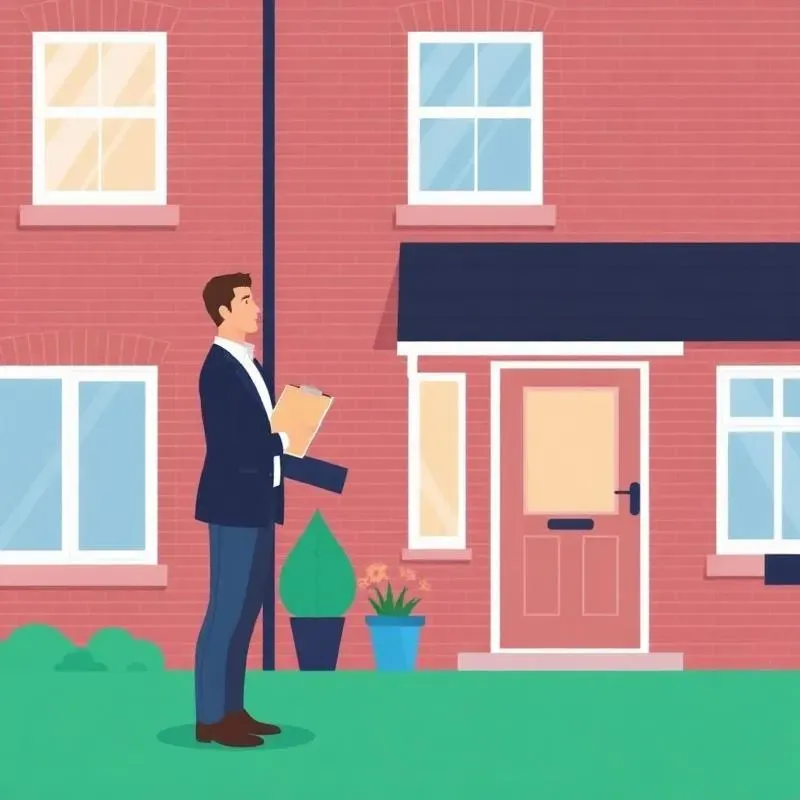
Someone who knows what they're doing comes round, measures up, and tells you exactly what'll work best for your place.
03
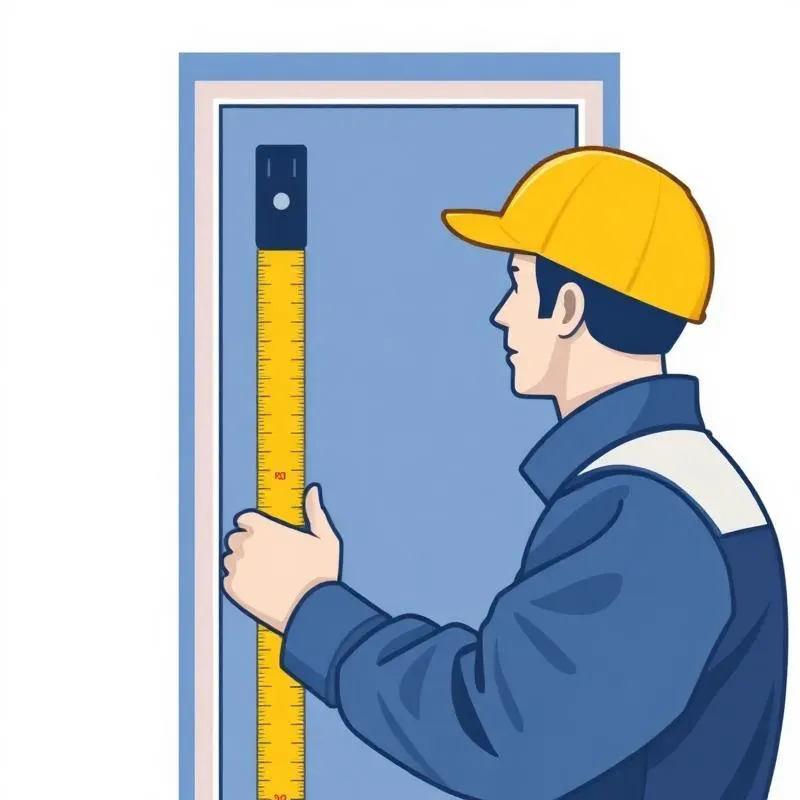
Precision Measurement
Accurate measurements taken to ensure perfect fit and optimal performance.
04
The Fitting Day
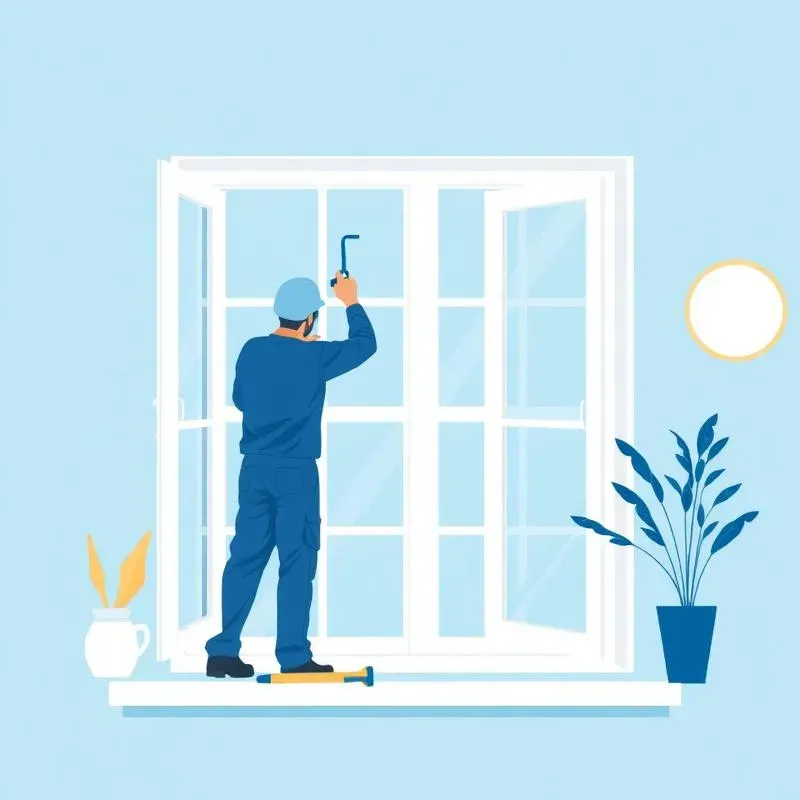
Trained fitters turn up, get on with it, and usually they're done by teatime. Seriously - it's that quick.
05
You're Sorted
Enjoy your warmer, quieter home. Plus you've got a warranty and someone to call if anything needs tweaking.
How Much Does Secondary Glazing Cost per Window in London?
Select your window type and glass spec — see live London prices instantly.
London Price Reference
Single casement (standard glass)£750–£1,100
Sliding sash (acoustic laminate)£1,200–£1,700
Bay window (acoustic laminate)£1,750–£2,650
Whole house — 6 windows (acoustic)£7,200–£10,200
All prices include professional installation & VAT. London rates apply.
Select a window style
Your live cost estimate will appear here instantly
Typical starting prices
Fixed lightfrom £600
Casementfrom £750
Sliding sashfrom £950
Bay windowfrom £1,500
6.8mm vs 8.8mm vs 10.8mm Acoustic Glass Compared
Heavier laminates absorb more low-frequency traffic rumble. All uplifts below include professional installation.
6.8mm Acoustic Laminate
Noise reduction
Up to 48dB
Glass weight
≈17 kg/m²
Cost uplift
+£250 per window
Best for: Residential streets, general comfort
8.8mm Stadip Silence
Noise reduction
Up to 51dB
Glass weight
≈22 kg/m²
Cost uplift
+£340 per window
Best for: Busy A-roads, bus routes, night traffic
10.8mm Stadip SilenceGold Standard
Noise reduction
Up to 54dB
Glass weight
≈27 kg/m²
Cost uplift
+£450 per window
Best for: Flight paths, Tube lines, main arterial roads
Secondary glazing costs £300 to £800 per window fully installed in the UK in 2026. Standard 4mm glass in a slimline aluminium frame is £300–£450 per window, while acoustic 6.8mm laminated glass ranges from £500–£800. DIY kits start at £150. Whole-house projects typically cost £3,500–£9,500.
2026 secondary glazing prices by window size and glass type, including installation
Window size
DIY kit
Standard installed
Acoustic installed
Small (600 × 900mm)
£150–£250
£300–£450
£500–£650
Medium (1200 × 1200mm)
£220–£320
£400–£550
£600–£800
Large sash (1500 × 1800mm)
£320–£450
£550–£750
£800–£1,100
Bay window (3 panels)
£650–£900
£1,200–£1,800
£1,800–£2,600
Prices are UK-wide 2026 averages and include professional survey, manufacture and installation. London and the Home Counties typically sit at the upper end.
Our comprehensive 2026 price guide breaks down real London costs for Victorian sash windows, bay windows, and acoustic laminate glass — with worked examples and expert advice.
On average, professional secondary glazing costs between £350 and £800 per window including installation. For DIY kits, prices start as low as £150 per window. The final price depends on the glass type—standard thermal glass is the most affordable, while 10.8mm Stadip Silence acoustic laminate for maximum soundproofing sits at the higher end of the scale.
Factors That Influence the Price
1. Window Type: Large sash windows or arched heritage windows require more complex frames.
2. Glass Specification: Upgrading to acoustic laminate adds roughly 20–30% to the cost but offers 54dB noise reduction.
3. Frame Finish: Standard white powder-coated aluminium is the baseline; custom RAL colours or wood-grain finishes carry a premium.
Is It Worth the Investment? (ROI)
Secondary glazing typically pays for itself within 5–7 years through reduced energy bills. By creating a sealed air gap of 100–200mm, it reduces heat loss by up to 60%, making it a more cost-effective and planning-friendly alternative to replacing windows in listed buildings or conservation areas.
Compare different secondary glazing systems to find the perfect balance of cost, performance, and convenience for your needs.
Sliding Panels
£300 - £600
Installation:
Easy
Daily Access:
Excellent
Thermal:
Good
Acoustic:
Very Good
Advantages
Easy daily access
Cost-effective
Minimal maintenance
Considerations
Slight air gap
Track visible
Hinged Panels
£400 - £800
Installation:
Moderate
Daily Access:
Good
Thermal:
Excellent
Acoustic:
Excellent
Advantages
Perfect seal
Maximum performance
Clean appearance
Considerations
Higher cost
Less convenient access
Lift-Out Panels
£250 - £500
Installation:
Very Easy
Daily Access:
Fair
Thermal:
Good
Acoustic:
Good
Advantages
Lowest cost
Easy storage
Perfect for occasional use
Considerations
Manual removal needed
Storage required
Fixed Panels
£200 - £400
Installation:
Very Easy
Daily Access:
None
Thermal:
Excellent
Acoustic:
Excellent
Advantages
Lowest cost
Maximum performance
Permanent solution
Considerations
No window access
Cleaning difficulties
Factors That Affect Secondary Glazing Costs
Understanding these key factors will help you budget accurately and make informed decisions about your secondary glazing project.
Window Size & ComplexityHigh Impact
Larger windows require more materials and labor. Complex shapes like bay windows or arched windows increase costs significantly.
Cost Impact:
+20-50%
Money-Saving Tips:
Standard rectangular windows are most cost-effective
Measure accurately to avoid waste
Consider grouping similar-sized windows for better rates
Frame Material ChoiceMedium Impact
Different materials offer varying benefits. Aluminium is durable and slim, uPVC is budget-friendly, timber matches traditional aesthetics.
Cost Impact:
±20%
Money-Saving Tips:
uPVC offers best value for money
Aluminium provides slimmest profile
Timber matches period properties but costs more
Glass Type & PerformanceMedium Impact
Standard glass is cheapest, acoustic glass reduces noise dramatically, low-E glass improves thermal performance.
Cost Impact:
+10-40%
Money-Saving Tips:
Acoustic glass ideal for busy roads
Low-E glass best for energy savings
Laminated glass adds security benefits
Installation ComplexityMedium Impact
Ground floor, easy access windows are cheapest. Upper floors, awkward access, or structural issues increase labor costs.
Cost Impact:
+15-35%
Money-Saving Tips:
Clear access paths reduce costs
Schedule multiple windows together
Address any window frame repairs first
Location & AccessibilityMedium Impact
Urban locations may have higher labor costs. Parking, access restrictions, and building regulations can affect pricing.
Cost Impact:
+10-25%
Money-Saving Tips:
London and South East typically more expensive
Ensure clear vehicle access
Check building regulations in advance
Quantity & TimingLow-Medium Impact
Bulk installations reduce per-window costs. Off-season installation may offer discounts.
Cost Impact:
-10 to -25%
Money-Saving Tips:
Install multiple windows for better rates
Winter installations often discounted
Book early for preferred timing
Smart Budgeting Summary
Cost-Saving Strategies:
• Bundle multiple windows for volume discounts
• Choose standard sizes and shapes where possible
• Schedule installation during quieter periods
• Prepare clear access to reduce labor time
Investment Priorities:
• Acoustic glass for noise reduction benefits
• Quality frames for long-term durability
• Professional installation for best performance
• Proper measurement to avoid costly mistakes
Real Results
Case Studies: Transforming Homes Across the UK
See how secondary glazing has made a measurable difference to homeowners dealing with noise pollution.
Victorian Terrace Near A40, West London
Acton, London W3•3-bed Victorian terrace
The Problem
Sarah and James couldn't sleep due to 24/7 traffic noise from the A40 Westway. Noise levels measured at 75 dB during peak times, dropping to only 62 dB at night. They'd considered moving but couldn't afford equivalent properties in quieter areas.
Our Solution
We installed 6.4mm laminated acoustic glass secondary glazing with 150mm air gap on all six street-facing windows. The existing sash windows were retained, with custom-made horizontal sliding secondary units fitted to the interior.
The Results
Before
75 dB
After
42 dB
Reduction
44%
Energy Saved
£340/year
Value Added
+£15,000 (estimated)
Install Time
1.5 days
"We can finally sleep with the windows closed — and actually hear each other speak. It's transformed our quality of life."
Georgian Flat Under Heathrow Flight Path
Richmond, London TW9•2-bed Grade II listed flat
The Problem
Living directly under the Heathrow eastern approach, aircraft noise exceeded 80 dB every 90 seconds during peak hours. As a listed building, replacement windows weren't permitted. Standard double glazing had made no noticeable difference.
Our Solution
Conservation-style secondary glazing with slimline aluminium frames to satisfy listing requirements. 10.8mm acoustic laminated glass with maximum 200mm air gap to existing single-glazed sash windows.
The Results
Before
82 dB
After
38 dB
Reduction
54%
Energy Saved
£520/year
Value Added
+£25,000 (estimated)
Install Time
2 days
"The conservation officer was impressed with how discrete the installation looks. More importantly, I can work from home without noise-cancelling headphones."
Located just 50 metres from the main Manchester-London railway line, the family experienced train noise from 5am to midnight. Vibration was also an issue, causing pictures to rattle on walls during high-speed services.
Our Solution
Heavy-duty secondary glazing with 12.8mm laminated glass and vibration-dampening mounting system. Installed on all eight railway-facing windows with enhanced acoustic seals.
The Results
Before
78 dB
After
35 dB
Reduction
55%
Energy Saved
£480/year
Value Added
+£20,000 (estimated)
Install Time
2.5 days
"The vibration reduction was unexpected but brilliant. We'd lived with rattling pictures for years — now there's barely any movement even when the fast trains pass."
Ready to transform your home? Every installation includes a detailed before-and-after noise assessment.
"Saved £3,200 on our Victorian terrace compared to double glazing quotes. Installation took just 2 days and our heating bills dropped by 28%."
Sarah Mitchell
London
10 windows, hinged panels
Total: £4,100
"The noise reduction is incredible. We live near a busy road and can finally sleep peacefully. Well worth the £2,800 investment."
James Peterson
Manchester
7 windows, acoustic glass
Total: £2,800
"Our listed building required planning permission, but secondary glazing was approved immediately. No disruption to original windows and £350/year energy savings."
Emma Richardson
Edinburgh
12 windows, sliding panels
Total: £3,600
"Brilliant service from start to finish. The calculator gave us an accurate estimate and the installation was spotless. Energy bills down 25%."
Michael Turner
Birmingham
8 windows, horizontal sliding
Total: £3,200
"We were quoted £12,000 for double glazing. Secondary glazing cost us £4,500 and works just as well. Amazing value."
Helen Clarke
Bristol
11 windows, lift-out panels
Total: £4,500
Simple Process
From First Contact to Peaceful Living
Our streamlined 5-step process ensures a hassle-free experience from initial enquiry to enjoying your quieter, warmer home.
01
Free Consultation
We visit your property to understand your specific needs
30 minutes
Professional noise level assessment using calibrated dB meters
Detailed survey of all windows requiring treatment
Discussion of your priorities: noise, thermal, or both
Assessment of frame condition and installation options
Clear explanation of suitable glazing options
No-obligation quote provided within 48 hours
02
Detailed Proposal
We prepare a comprehensive specification tailored to your property
2-3 days
Technical drawings and specifications
Material and glass type recommendations
Projected noise reduction figures (dB)
Energy saving calculations
Fixed price quotation with no hidden costs
Financing options if required
03
Precision Measurement
Once you approve, we take exact measurements for manufacturing
1-2 hours
Laser-precise measurements of each window
Assessment of any variations in frame squareness
Colour matching to existing frames
Final confirmation of glass specifications
Manufacturing lead time: typically 2-3 weeks
04
Professional Installation
Our trained fitters install your secondary glazing with minimal disruption
1-2 days (typical home)
Dust sheets and protection for your furnishings
Clean, quiet installation — no major building work
Each window typically takes 1-2 hours
Full testing of all opening mechanisms
Silicone sealing for airtight finish
Complete clean-up before we leave
05
Quality Assurance
Your satisfaction and long-term support guaranteed
Ongoing
Final inspection with you present
Demonstration of operation and maintenance
10-year manufacturer warranty on frames
5-year guarantee on installation
Dedicated aftercare support line
Annual service options available
Ready to Get Started?
Most installations are completed within 3-4 weeks from initial enquiry. Book your free consultation today and take the first step towards a quieter home.
Our network of trained installers covers all major UK cities and surrounding areas, with specialist knowledge of local noise sources and planning requirements.
London & Greater London
From Zone 1 to the M25, we've installed secondary glazing in over 2,000 London homes. Particular expertise in properties affected by Heathrow flight paths, the A40 Westway, North Circular, and South Circular routes.
Areas Served
Central LondonWest LondonNorth LondonSouth LondonEast LondonDocklands
Common noise sources: Aircraft from Heathrow, City Airport, and major arterial roads
Manchester & Northwest
Specialist installations across Greater Manchester, Liverpool, and the Northwest. High demand around Manchester Airport flight paths and the M60/M62 corridors.
Common noise sources: Birmingham Airport, M6, M1, and railway lines
South & Southeast
Extensive coverage across the Southeast, with particular expertise around Gatwick Airport approaches, the M25, and coastal areas with military flight paths.
Common noise sources: Gatwick Airport, M25, M3, and Channel ports
Scotland
Full coverage across Scotland's central belt and major cities. Popular for traditional tenement properties and Georgian/Victorian homes in conservation areas.
Areas Served
EdinburghGlasgowAberdeenDundeeStirlingPerth
Common noise sources: City centre traffic and Edinburgh/Glasgow airports
Yorkshire & Northeast
Serving Yorkshire, the Northeast, and Humberside. Strong demand around Leeds Bradford Airport and major transport corridors.
Areas Served
LeedsSheffieldNewcastleYorkHullBradford
Common noise sources: Leeds Bradford Airport, A1(M), and East Coast Main Line
Don't see your area listed? We cover the entire UK mainland. Contact us for availability in your location.
Called 50+ installers across the UK last month to get real quotes
Cross-checked with Energy Saving Trust data (they know their stuff)
Update prices every quarter - markets change, so should our figures
Reviewed by actual FENSA-certified pros (not just made up numbers)
How We Do It
Every three months, we ring around installers in London, Manchester, Birmingham, and a few countryside spots too. Why? Because a quote in Chelsea looks very different to one in Cornwall. We want you to know what you'll actually pay, not some fantasy number.
Last Updated: January 2026 Next Review: April 2026 Price Sources: 50+ verified installers Energy Data: Energy Saving Trust, BEIS
Look, these are guide prices based on what we're seeing in the market right now. Your actual quote might be different depending on what you need, where you live, and when you're buying. Always get at least three quotes from certified installers - you'll thank yourself later.
Why Use Our Cost Guide?
Verified Data
We audit 50+ UK installers every quarter to ensure our pricing is accurate.
Technical Expertise
Our guides are reviewed by glazing specialists with 20+ years of experience.
Unbiased Advice
We help you choose the right glass—from 6.4mm laminated acoustic to 4mm thermal—without the sales pitch.
London Secondary Glazing Cost: Frequently Asked Questions
How much does secondary glazing cost per window?
Most UK homeowners pay between £300 and £750 per window, depending on glass type and size.
Does secondary glazing stop noise better than double glazing?
Yes, because of the larger 100mm+ air gap, it can reduce noise by up to 80%, outperforming standard double glazing.
Do I need planning permission?
Usually no, even in conservation areas, as it is an internal alteration.
Ready for a tailored secondary glazing quote?
Use our instant cost calculator or send your project details for a free, no-obligation quote from FENSA-registered installers.